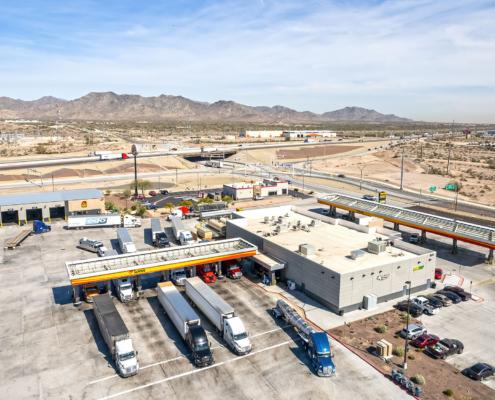
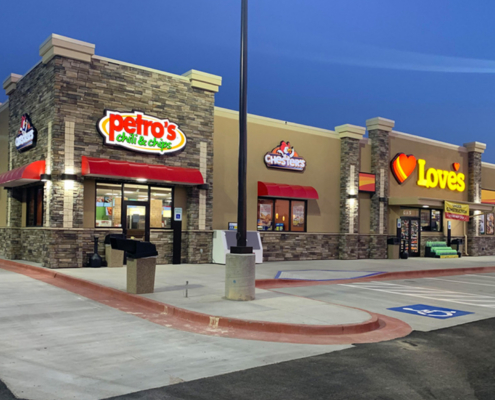
This is the final stretch of the phases of construction, where the build transforms from a job site into an occupiable space. Two distinct things happen here: the finished work that makes the building look and function as designed, and the inspection and certification process that authorizes it to open.
Finish Work and Trade Sequencing
The finish phase is when a commercial build starts looking like the building the owner imagined. Drywall, flooring, paint, storefront glazing, lighting, fixtures, and millwork all come together here, and the rate of visible progress is faster than at any prior stage. It is also when construction project timeline pressure becomes most acute, especially for first-time developers with a lease commencement date or a franchise opening deadline tied to occupancy.
Finish trades work in a strict sequence. Drywall must be complete before painting begins. Painting must finish before flooring goes down. Flooring and millwork must be in place before final fixture installation. A delay in any one trade compresses the window for everything that follows. This is the phase where consistent communication with the GC matters most, because it is when the actual opening date gets determined.
Certificate of Occupancy
The certificate of occupancy is the jurisdiction’s formal confirmation that the building meets code requirements and is safe for its intended use. Reaching CO requires final inspections in every trade, confirmation that all systems are operational, and resolution of any items flagged during earlier inspections.
For first-time developers, CO is the legal threshold that separates a finished building from an open business. The commercial construction projects Harris United has taken to CO across Oklahoma, Arkansas, and Texas span retail, restaurant, industrial, and c-store formats, and every one moved through the same phases described here.